
Hammerstein Ballroom Information
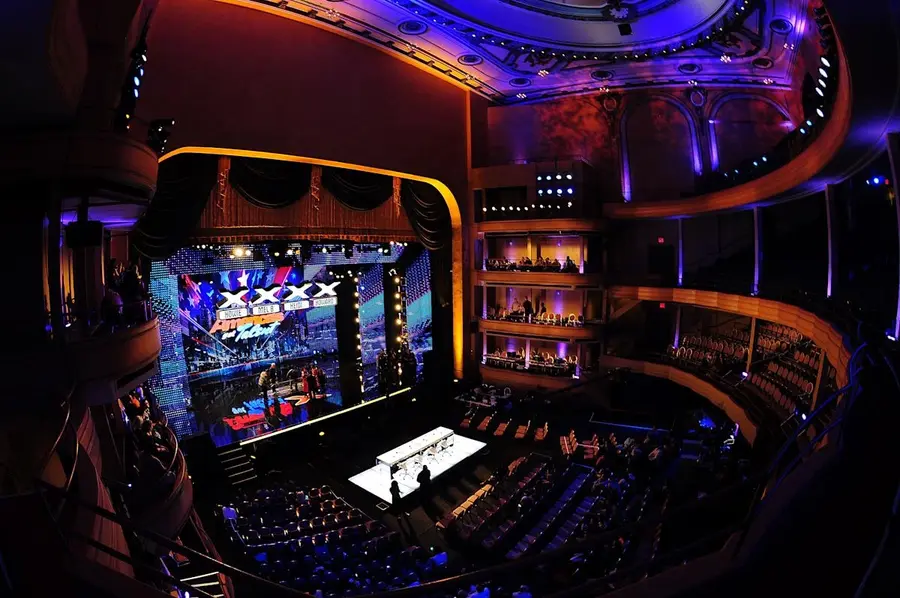
The Hammerstein Ballroom is a historic gem in the heart of Manhattan. As part of the Manhattan Center, this venue has been a staple for events ranging from concerts and performances to corporate gatherings since its inception over a century ago. This in-depth guide covers its rich history, unique atmosphere, equipment, management, what attendees can expect, concessions, and additional tips to make your visit seamless. Whether you’re attending a live show or planning an event, here’s everything you need to know.
History
The Hammerstein Ballroom boasts a storied past that dates back to 1906 when it was built by opera impresario Oscar Hammerstein I as part of the Manhattan Opera House. Originally designed as a two-tiered ballroom within what is now the Manhattan Center Studios, it quickly became a hub for theatrical and musical performances in early 20th-century New York. Oscar Hammerstein, grandfather of the famous lyricist Oscar Hammerstein II, envisioned it as a rival to the Metropolitan Opera, hosting grand operas and vaudeville shows.
Over the decades, the venue evolved with the city’s cultural landscape. In the 1920s and 1930s, it transitioned into a space for balls, conventions, and early radio broadcasts, reflecting the era’s shift toward mass entertainment. By the mid-20th century, it fell into disuse but was revitalized in the 1990s as part of the Manhattan Center’s renovation.
Today, it stands as one of New York City’s oldest surviving event spaces, having hosted iconic acts like Frank Sinatra, The Rolling Stones, and modern performers such as Lady Gaga and EDM festivals. Its preservation of original architectural elements, like the ornate ceilings, makes it a living piece of NYC history, blending Beaux-Arts style with contemporary functionality. In 2026, it continues to draw crowds for its blend of nostalgia and modern appeal, with over 100 years of events under its belt.
Atmosphere
Stepping into the Hammerstein Ballroom feels like entering a time capsule of grandeur and excitement. The venue’s atmosphere is defined by its elegant, historic charm, featuring a hand-painted ceiling, intricate woodwork, and soaring 75-foot-high ceilings that create an awe-inspiring sense of scale. With three balconies and side boxes overlooking the 12,000-square-foot main floor, it offers an intimate yet expansive vibe, accommodating up to 3,500 guests in a standing configuration or 2,500 seated. The lighting and acoustics enhance the immersive experience, making it ideal for concerts where the energy of the crowd reverberates through the space.
Attendees often describe it as “legendary” and “iconic,” with a palpable buzz during events. However, the historic design means it can feel crowded during sold-out shows, with a mix of standing-room energy on the floor and more relaxed balcony seating. The overall ambiance is sophisticated yet electric, perfect for everything from rock concerts to gala dinners, evoking the glamour of old New York while hosting cutting-edge performances.
Equipment and Technical Specifications
As part of the Manhattan Center Studios, the Hammerstein Ballroom is equipped with state-of-the-art production capabilities tailored for high-profile events. It features professional sound systems renowned for their clarity and power, often praised by visitors for delivering “good sound” in a venue of this size. The in-house audio setup includes advanced rigging for speakers, ensuring even distribution across the multi-tiered space. Lighting equipment is equally impressive, with customizable LED systems, spotlights, and effects that can transform the room for concerts, theater, or corporate presentations. The venue supports video production with high-definition projectors and screens, integrated with the studios’ broadcasting facilities – ideal for live streams or recordings. Technical specs include a 35,000-square-foot total area, load-in docks for easy equipment access, and power supplies capable of handling large-scale setups. For event planners, in-house technicians provide support, though external gear can be brought in. Note that the historic structure limits some modern modifications, so advance coordination is key to leveraging its full potential.
Management
The Hammerstein Ballroom is managed by the Manhattan Center, a multifaceted organization that oversees both the Hammerstein and the adjacent Grand Ballroom. Located at 311 West 34th Street, the Manhattan Center has operated the venue since its revitalization, handling everything from event booking to on-site operations. Their team emphasizes versatile spaces for private, corporate, and social events, with a focus on preserving the historic integrity while providing modern amenities. Management includes dedicated event coordinators who assist with planning, from AV setup to catering partnerships.
What to Expect
Attending an event at the Hammerstein Ballroom promises a memorable experience, but preparation is essential. Expect a mix of historic charm and urban bustle – it’s near Penn Station, so crowds can be intense. Doors typically open 1-2 hours before showtime; for general admission concerts, arrive early (at least 1-2 hours) to secure a good spot, as lines form quickly. Security is standard but efficient; bag policies allow small purses (under 12x12x3 inches) and prohibit large backpacks – check the venue’s site for updates. The multi-level layout means varied views: floor level is energetic but standing-only, while balconies offer seated comfort. Sound quality is excellent, but the space can get warm during packed events.
Concessions
Concessions at the Hammerstein Ballroom cater to a range of tastes, focusing on convenience for event-goers. Multiple bars throughout the venue serve beer, wine, cocktails, and non-alcoholic options, with prices typical for NYC venues (around $10-15 per drink). Food selections include snacks like pretzels, popcorn, and hot dogs, available at stands on the main floor and balconies – perfect for quick bites during intermissions. For private events, management partners with caterers for customized menus, from hors d’oeuvres to full dinners. Cashless payments are encouraged, and lines can form during peak times, so plan accordingly. While not a culinary destination, the offerings ensure you stay fueled without leaving the venue.
Accessibility and Additional Amenities
The venue is committed to inclusivity, with wheelchair-accessible entrances, elevators to all levels, and designated seating areas. Assistive listening devices are available upon request. Restrooms are plentiful but can be crowded; gender-neutral options exist.
Getting There and Parking
Conveniently located in Midtown, it’s steps from Penn Station (subway lines A/C/E, 1/2/3) and a short walk from Times Square. Parking is limited; nearby garages charge $30-50, or use rideshares. Public transit is recommended to avoid traffic.
Tips for Event Goers
Dress comfortably for standing events, and layer up as temperatures vary. Prohibited items include weapons and outside food – review policies online. For the best experience, buy tickets early and arrive hydrated. With its central location, combine your visit with nearby attractions like Hudson Yards.
For more information on the Hammerstein Ballroom at Manhattan Center see the pages below:
Hammerstein Ballroom Parking:
Read parking information and directions for the Hammerstein Ballroom.
Ticket Policies:
Read ticket policies, ticket verification and refund policies.
Hammerstein Ballroom Seating Chart:
View the Hammerstein Ballroom at Manhattan Center seating map and read related seating information.